
What the Kratom Ban Means for Connecticut
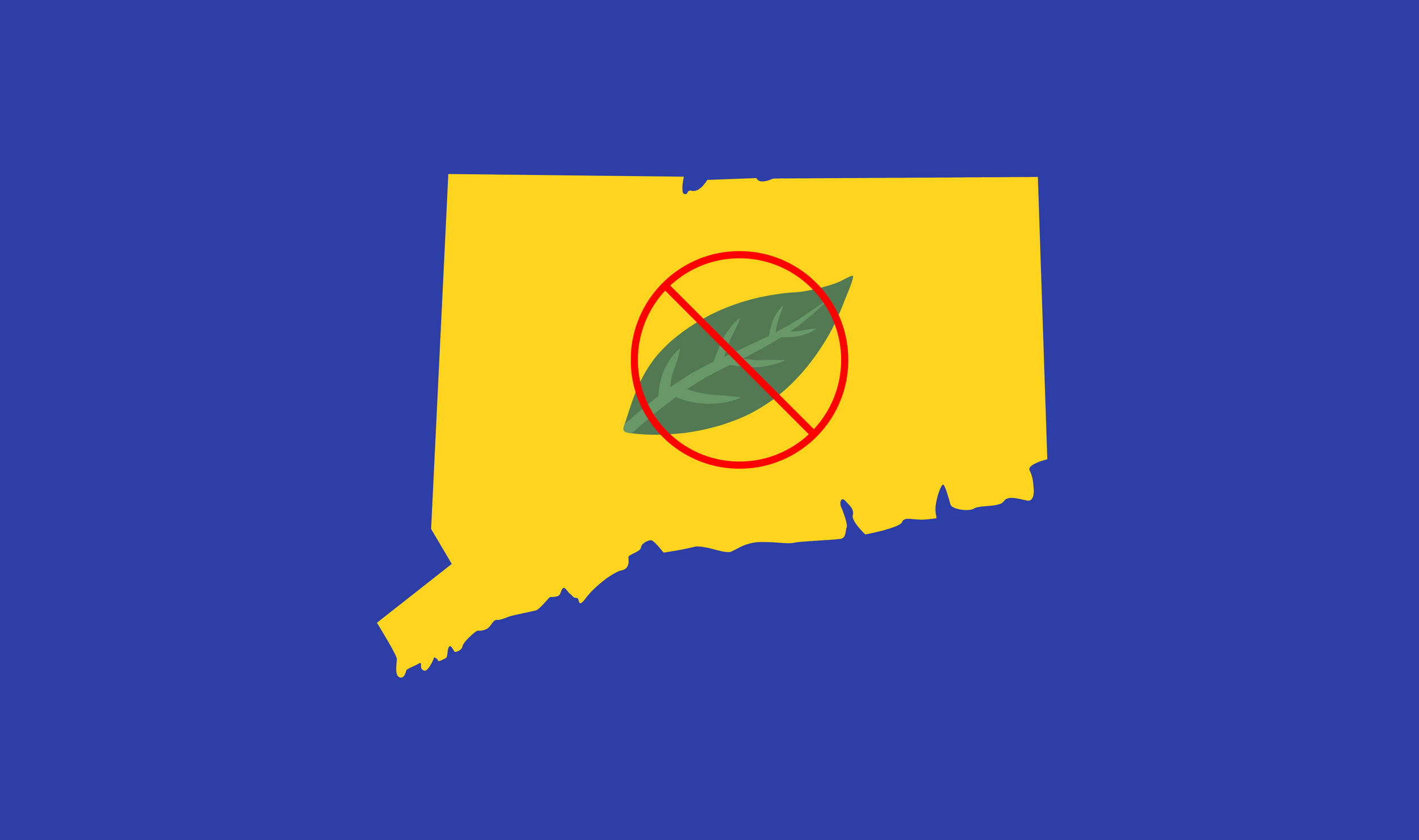
The state of Connecticut implemented a kratom ban on February 24, 2026, classifying the substance, scientifically known as Mitragyna speciosa, as a Schedule I controlled substance with penalties similar to heroin and LSD. This decision was driven by public health concerns, including the risk to young adults and a rise in adverse effects, making the possession, sale, and distribution of kratom illegal in the state. For users struggling with dependence, the article highlights available treatment and recovery resources in Connecticut.
If you use kratom, or you're in recovery from drugs or alcohol, it’s imperative to know about drug scheduling changing in the state of Connecticut. As of February 24, 2026, Connecticut has implemented a kratom ban in CT, classifying kratom as a Schedule I controlled substance. This means kratom now carries the same legal weight as heroin and LSD in the state. This decision impacts thousands of residents who use kratom for various reasons, from pain management to easing opioid withdrawal symptoms. Read on to learn more about what this Connecticut kratom ban means for you.
A Brief History of Kratom
Kratom, scientifically known as Mitragyna speciosa, is a tropical evergreen tree native to Southeast Asia. For centuries, people in Thailand, Malaysia, and Indonesia have used kratom leaves for their stimulating and pain-relieving effects. Traditionally, the leaves were chewed, brewed into tea, or smoked to combat fatigue and ease muscle soreness, especially among agricultural workers.
It wasn’t until the late 20th century that kratom gained popularity in the United States, largely through Southeast Asian immigrants. Over the past two decades, it has been marketed as a supplement for energy, mood enhancement, pain relief, and even opioid withdrawal management. This transformation from traditional medicine to a widely available commercial product has led to increased scrutiny and, ultimately, the kratom ban in CT.
Why Is Kratom Considered Harmful?
The active compounds in kratom, primarily mitragynine and 7-hydroxymitragynine (7-OH), interact with the brain's opioid receptors. At lower doses, kratom can act as a stimulant, increasing energy and alertness. At higher doses, it can produce opioid-like effects, such as pain relief and relaxation.
However, this interaction also carries risks. Poison control centers have seen a dramatic increase in kratom-related calls, documenting adverse effects like high blood pressure, confusion, seizures, liver damage, and respiratory distress. The FDA has also warned against kratom use due to the risk of liver toxicity, seizures, and substance use disorder.
One major concern is the rise of concentrated kratom extracts, particularly those containing high levels of 7-hydroxymitragynine ban. Research suggests that 7-OH is significantly more potent than mitragynine and may have a higher potential for abuse. The differences between leaf kratom and 7-hydroxymitragynine extracts are crucial, as these extracts can be far more dangerous than traditional kratom leaf.
The Steps to Banning Kratom in Connecticut
The path to the kratom ban Connecticut wasn't immediate. The Drug Enforcement Administration (DEA) initially attempted to schedule kratom in 2016 but withdrew the proposal due to public opposition. However, individual states began to take action.
Connecticut's journey began with Public Act 25-101, which authorized the Department of Consumer Protection to determine kratom's place on the state's controlled substance schedule. This led to public hearings and a review by the Legislative Regulation Review Committee.
In October 2025, a virtual public hearing allowed residents to voice their opinions on the proposed ban. Finally, on February 24, 2026, the Legislative Regulation Review Committee unanimously approved the regulations, citing concerns about kratom's accessibility to children and young adults. This decision marks a significant Connecticut drug scheduling update.
What Does the Connecticut Kratom Ban Mean for Users?
Is kratom illegal in Connecticut in 2026? As of February 2026, yes, it is. The regulations classify Mitragyna speciosa (kratom), including its leaves, stem, and extracts, as Schedule I controlled substances. This includes a 7-hydroxymitragynine ban, as well as other substances like bromazolam, flubromazolam, nitazenes, tianeptine, and phenibut.
This means that possession, manufacture, distribution, and sale of kratom are now subject to criminal penalties. Even first-time offenders possessing kratom could face up to a year in jail and a $2,000 fine. Manufacturing or distributing kratom carries even harsher penalties, including up to seven years in prison and a $25,000 fine. The penalties for possessing kratom in Connecticut are significant, and it's crucial to understand the legal ramifications.
What Kratom Users Need to Know
Here are some key points for kratom users in Connecticut:
Immediate discontinuation: The Department of Consumer Protection has directed businesses to remove kratom products from shelves immediately.
Legal consequences: Possessing, selling, or distributing kratom can lead to serious criminal charges.
Withdrawal symptoms: Discontinuing kratom can lead to withdrawal symptoms, including muscle pain, nausea, anxiety, and cravings.
Treatment options: If you're struggling with kratom dependence, there are treatment options available.
Kratom Addiction Treatment and Recovery
If you're concerned about your kratom use, how to find kratom addiction treatment in CT is a crucial question. Kratom withdrawal, while generally milder than opioid withdrawal, can still be challenging. Signs of kratom withdrawal and recovery options include
Muscle and bone pain
Nausea and vomiting
Diarrhea and abdominal cramping
Sweating and chills
Difficulty sleeping
Anxiety and depression
Restlessness and cravings
Medical supervision and medication-assisted treatment (MAT) can help manage these symptoms. Buprenorphine-naloxone, a medication used for opioid use disorder (OUD), has shown promise in alleviating kratom withdrawal symptoms.
If you’re wondering where to find help for kratom addiction in Connecticut, Mountainside Treatment Center is located in North Canaan, CT. The center has seen a significant increase in kratom-related admissions and offers specialized treatment programs and support groups. They have been hosting free, open, and virtual kratom recovery support groups since 2023. Mountainside also offers an Outpatient Withdrawal Management (OWM) program, where people can safely detox at home with medical supervision. Kratom often is an eligible substance for this novel program.
Why was kratom added to Schedule I in Connecticut? It comes down to concerns about public health, particularly the risk to children and the lack of regulation and testing for kratom products.
If you are a kratom user in Connecticut, now is the time to take action. Understand the new laws, assess your own use, and seek help if needed. Mitragyna speciosa’s legal status has changed dramatically, and it's essential to prioritize your health and wellbeing.